
Why Low-Sugar Solutions Matter
Explore the science behind healthy eating habits for blood sugar management and discover how informed choices can support your daily wellness routine.
Key Benefits of Low-Sugar Eating
Sustained Energy Levels
Low-sugar meals help maintain steady energy throughout the day by preventing rapid blood sugar spikes and crashes. This means fewer energy dips in the afternoon and better focus for work and daily activities.
Better Appetite Control
Reduced sugar intake helps regulate hunger hormones, making it easier to recognise genuine hunger signals. This supports healthier eating patterns and helps maintain a balanced approach to nutrition without constant cravings.
Improved Mental Clarity
Stable blood sugar levels support cognitive function and mood stability. Many people report sharper thinking, better concentration, and more consistent emotional balance when following a low-sugar eating pattern.
Cardiovascular Health Support
Choosing low-sugar options contributes to a heart-healthy lifestyle. Research suggests that reduced sugar consumption is associated with better cholesterol profiles and improved overall cardiovascular wellness.
Diverse Flavour Options
Low-sugar eating doesn't mean bland food. Our guide explores vibrant salads, creative recipes, and wholesome ingredients that deliver genuine taste satisfaction while keeping sugar intake in check.
Sustainable Lifestyle Choice
Building a low-sugar eating pattern is about creating long-term habits rather than temporary restrictions. This approach helps you develop a healthier relationship with food and sustainable wellness practices.
Understanding Glycemic Index
What Is Glycemic Index?
The Glycemic Index (GI) is a measure of how quickly foods raise blood sugar levels after eating. Foods are ranked on a scale of 0–100, with lower numbers indicating slower, more gradual increases in blood sugar.
Low GI Foods (Below 55)
These foods digest slowly and provide steady energy. Examples include leafy vegetables, most fruits, legumes, and whole grains.
Medium GI Foods (56–69)
Moderate impact on blood sugar. Include some whole grains, certain fruits, and starchy vegetables in moderation.
High GI Foods (Above 70)
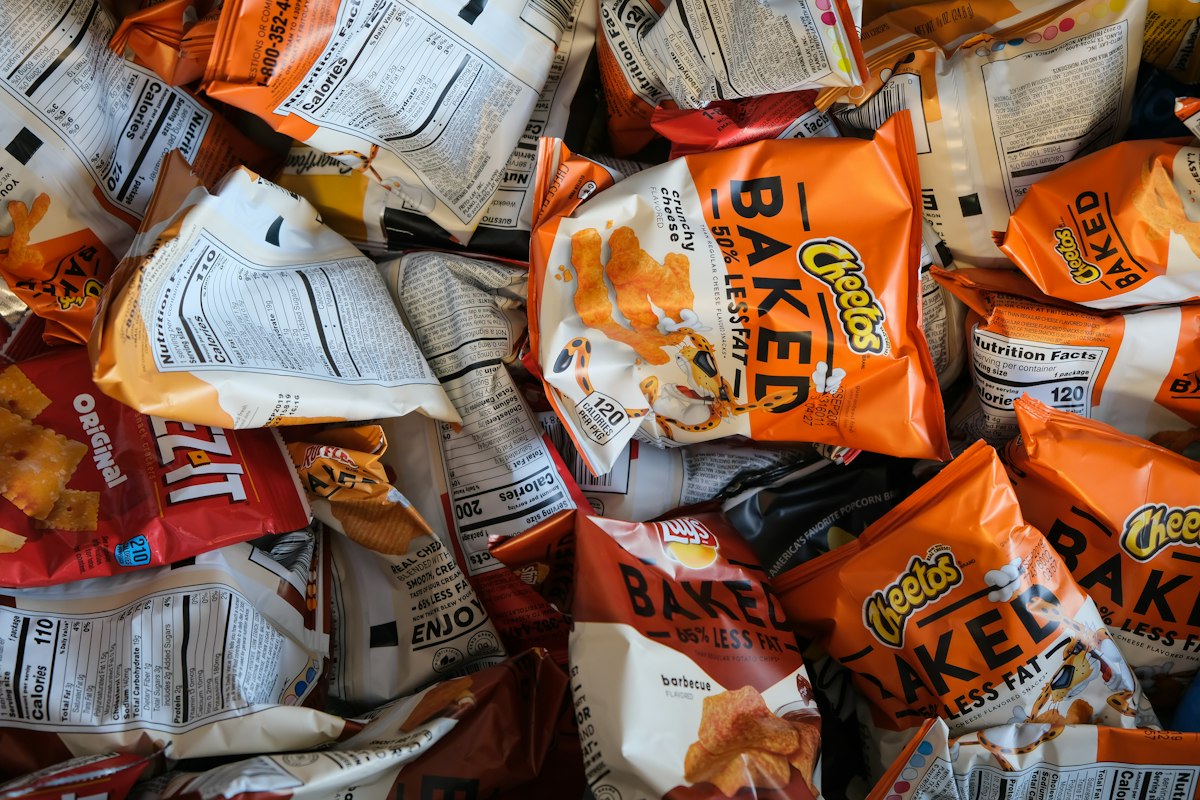
These cause rapid blood sugar spikes. Include refined grains, sugary drinks, and processed snacks—best minimised in a balanced diet.
Understanding GI helps inform food choices, allowing you to build meals that support stable energy and overall wellness throughout your day.
Your Low-Sugar Journey: A 4-Step Process
Assess Your Current Eating Habits
Begin by tracking what you eat for a few days. Note which foods make you feel energised and which cause energy dips. This awareness is the foundation for making informed changes. Pay attention to how different meals affect your mood, energy, and cravings throughout the day.
Learn About Low-GI Alternatives
Explore resources like our guides and articles to understand which foods have lower glycemic impact. Focus on whole vegetables, legumes, nuts, seeds, and unrefined grains. Understanding nutrient-dense options empowers you to make swaps that maintain flavour while reducing sugar impact.
Build Simple, Sustainable Meals
Start incorporating low-sugar salads, whole-grain options, and protein-rich meals into your routine. There's no need for drastic overhaul—gradual changes are more sustainable. Build your own meal templates using vegetables, lean proteins, and healthy fats that you genuinely enjoy eating.
Monitor Progress and Adjust
Track how you feel after two to three weeks of your new eating pattern. Are your energy levels more stable? Do you have fewer cravings? Use these observations to fine-tune your approach. Small adjustments based on your personal response create lasting, positive changes.
Key Features of Our Content
Evidence-Based Articles
Our editorial team researches current nutritional science and presents findings in clear, accessible language. Every article is grounded in published research and expert insights.
Practical Recipes
Real, delicious low-sugar salad ideas and meal suggestions that are easy to prepare at home. Each recipe includes ingredient lists and simple instructions for everyday cooking.
Nutrition Guides
Comprehensive guides explaining carbohydrates, fibre, protein, and how they affect blood sugar. Includes shopping tips and label-reading advice for informed decisions.
Lifestyle Tips
Beyond food—learn about sleep, movement, stress management, and other factors that influence blood sugar and overall wellness. A holistic approach to health.
Reader Stories
Learn how others have incorporated healthier eating habits into their lives. Real experiences and insights from people navigating similar wellness journeys.
Expert Q&A
Frequently asked questions answered by our editorial team, drawing on nutritional science and practical experience. Direct responses to your common concerns.
Frequently Asked Questions
Get answers to common questions about low-sugar eating, blood sugar management, and building sustainable healthy habits.
What exactly is a low-sugar diet?
A low-sugar diet emphasises foods with minimal added sugars and refined carbohydrates. Rather than eliminating sugar entirely, it focuses on whole foods like vegetables, proteins, healthy fats, legumes, and whole grains. The goal is to keep blood sugar levels stable and sustained throughout the day, supporting overall energy and wellbeing.
How quickly will I see changes in my energy levels?
Many people notice improved energy and clearer thinking within one to two weeks of reducing sugar intake. However, individual responses vary based on current eating habits and overall lifestyle. Consistent choices over time yield the most noticeable and lasting improvements in how you feel throughout your day.
Can I still eat fruit on a low-sugar eating plan?
Yes—most fruits are welcome in a balanced low-sugar approach. Fresh fruits contain fibre, vitamins, and minerals alongside natural sugars, which slows absorption. Berries, apples, and citrus fruits are particularly lower-GI options. Processed fruit products and juices are best minimised, as they lack fibre and deliver sugars more rapidly.
Is eating low-sugar the same as eating low-carb?
Not exactly. Low-sugar eating focuses specifically on reducing added sugars and refined carbs while allowing whole-grain carbohydrates, vegetables, and legumes. Low-carb diets restrict carbohydrates more broadly. Our approach emphasises quality carbs paired with protein and healthy fats for balanced nutrition and sustained energy.
How do I read food labels for sugar content?
Check the "Carbohydrates" section on UK nutrition labels, particularly the "Sugars" line. Aim for products with less than 5g of sugar per 100g. Also scan the ingredient list for hidden sugars listed as cane juice, honey, syrups, or words ending in "-ose." Front-of-pack colour coding (green/amber/red) also helps quickly identify lower-sugar options.
What are some easy low-sugar snacks?
Simple options include nuts and seeds, cheese, Greek yoghurt, fresh vegetables with hummus, hard-boiled eggs, and berries. These provide sustained energy without blood sugar spikes. Keep snacks convenient by preparing portions in advance. Combining protein with healthy fat helps maintain fullness and stable energy between meals.
Ready to Learn More?
Explore our complete collection of articles, recipes, and guides about low-sugar eating and managing blood sugar through informed food choices. Our editorial content helps you understand the science behind nutrition and build sustainable habits.
Featured Content From Our Guides
Building Your First Low-Sugar Salad
Learn how to construct satisfying, nutritious salads that keep blood sugar stable. Includes protein sources, vegetables, dressings, and portion guidance for a complete meal.
Read Guide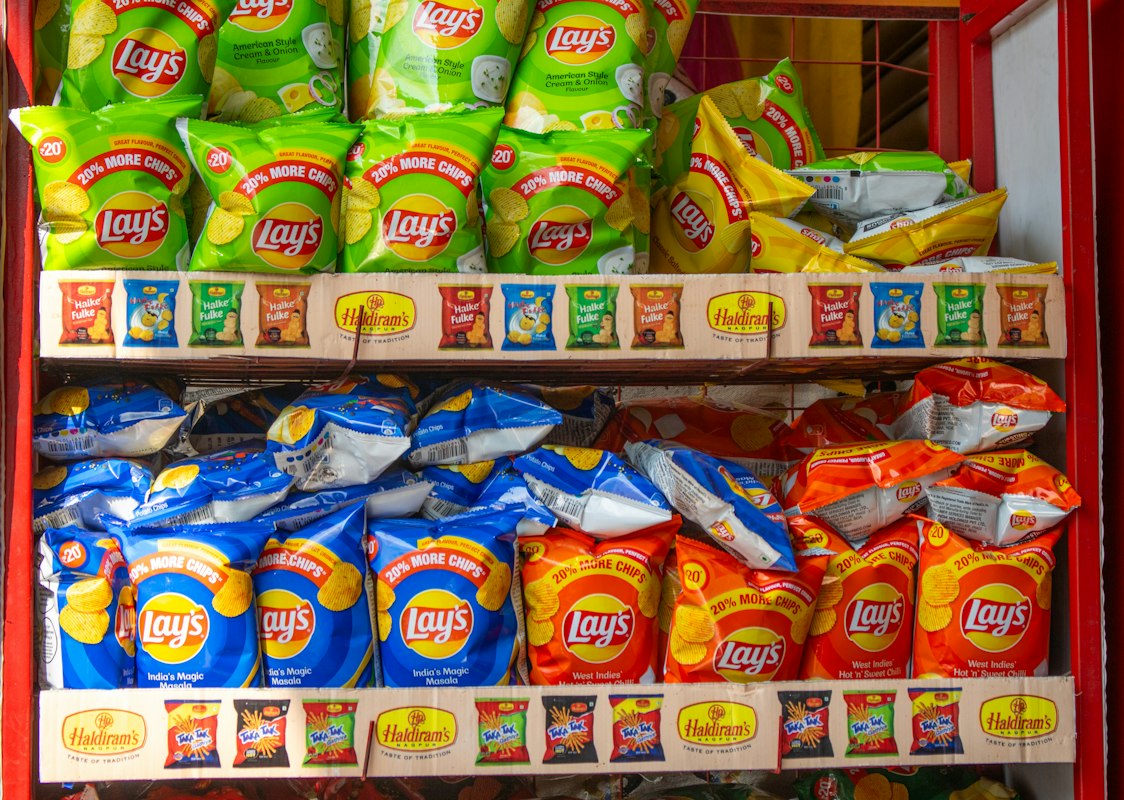
Smart Grocery Shopping for Low-Sugar Living
Navigate the supermarket with confidence. Discover which aisles offer the best low-GI options and how to spot hidden sugars in packaged foods.
Read Guide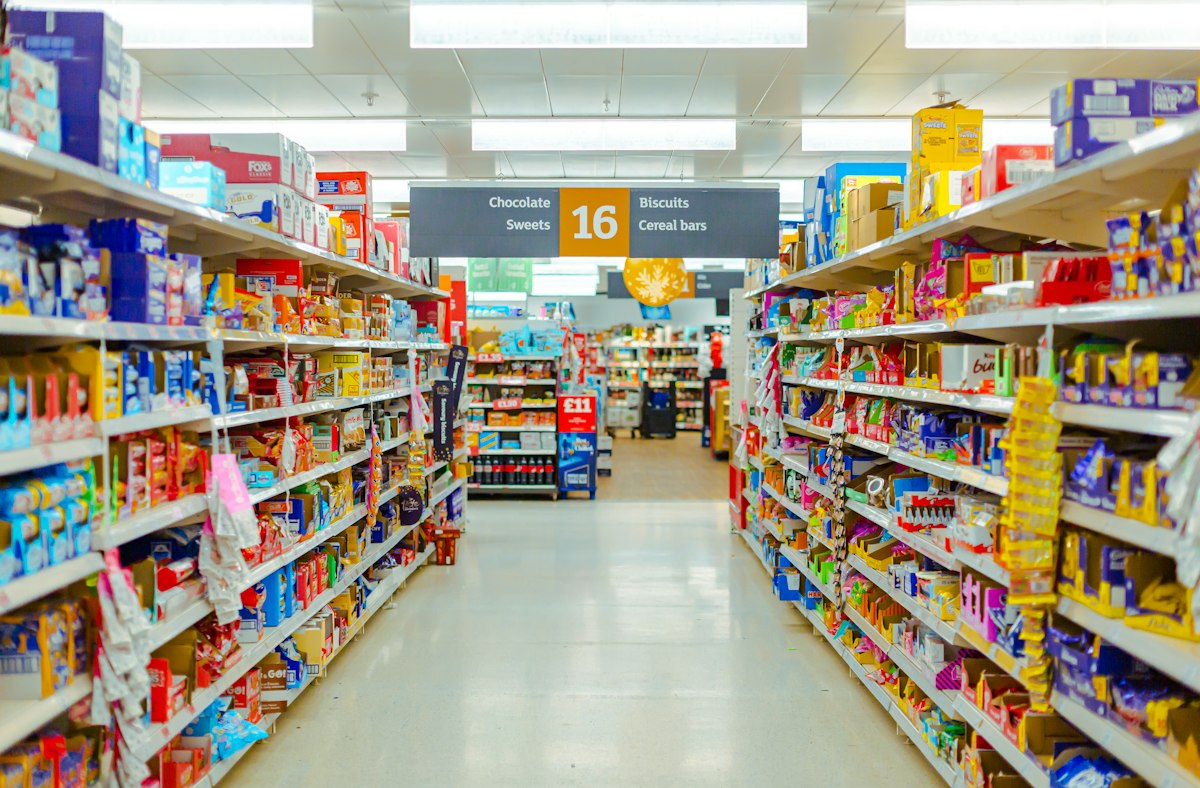
Meal Planning for Blood Sugar Stability
Practical strategies for planning meals and snacks that support steady energy throughout the week. Includes templates and timing tips for optimal nutrition.
Read GuideWhat Our Readers Say
"The recipes on this site are genuinely delicious—I was surprised how much flavour you can have without the sugar. The article about glycemic index finally helped me understand why some meals keep me satisfied longer than others. Highly useful content."
Sarah Mitchell – London
"I love how practical these guides are. No complicated jargon—just straightforward advice about nutrition and food choices. The shopping guide changed how I read labels, and my energy is noticeably more stable. Great resource for anyone wanting to eat better."
James Reid – Manchester
"As someone who's always struggled with afternoon energy crashes, the information here about meal composition has been transformative. I especially appreciate the reader stories—it's comforting to know others are on similar journeys. Bookmarked for regular reading."
Emma Thompson – Birmingham
Stay Informed With Our Latest Content
Subscribe to our newsletter for weekly recipe ideas, diabetes management tips, and exclusive content delivered to your inbox.
We respect your privacy. Unsubscribe at any time.
Frequently Asked Questions
Find answers to common questions about our recipes, diabetes management, and nutritional guidance.
Are these recipes suitable for all diabetes types?
Our recipes are designed to be low-glycemic and balanced. However, individual needs vary. We recommend consulting your healthcare provider or dietitian before making significant dietary changes, especially if you take diabetes medications.
How often should I prepare these salads?
We recommend incorporating healthy salads 3-4 times per week as part of a balanced meal plan. Many recipes can be meal-prepped for the week, making it convenient to maintain consistent healthy eating habits.
Can I substitute ingredients in the recipes?
Absolutely! Our recipes are flexible. You can swap vegetables, proteins, and dressings based on your preferences and dietary restrictions. Just ensure substitutes maintain similar nutritional profiles to keep blood sugar levels stable.
Do you provide nutritional information for each recipe?
Yes, every recipe includes detailed nutritional breakdowns including calories, carbohydrates, fiber, protein, and estimated glycemic impact. This helps you make informed choices about your meals.
How do I store prepared salads?
Store prepared salads in airtight containers in the refrigerator for up to 3-4 days. Keep dressings separate until ready to eat to maintain freshness and prevent sogginess. Leafy greens should be dried before storing.
Is there support available if I have questions?
Yes! Our community forum and email support team are here to help. Join thousands of members sharing tips, asking questions, and supporting each other on their diabetes management journey.
Ready to Transform Your Meals?
Join Healthydiabeticsalads today and discover how simple, delicious salads can support your diabetes management journey. Get instant access to our complete recipe library, nutrition guides, and supportive community.
No credit card required • 14-day free trial • Cancel anytime